
Pregnancy is beautiful, powerful… and often uncomfortable.
As your body changes to grow and carry your baby, you may notice new aches, pressure, or symptoms that weren’t there before. Back pain, hip pain, pelvic pressure, leaking, or even pain with movement can feel overwhelming — especially when you’re trying to enjoy this season.
Here’s something many women don’t realize:
- You don’t have to “just deal with it.”
Pelvic floor physical therapy during pregnancy is safe, effective, and designed to support both you and your baby — helping you move better, feel stronger, and prepare your body for delivery.
What Happens to Your Body During Pregnancy?
Your body adapts rapidly over nine months:
• Hormones (like relaxin) loosen ligaments to prepare for birth
• Your center of gravity shifts
• Your abdominal muscles lengthen and thin
• Your pelvic floor supports increasing weight and pressure
• Your rib cage expands
• Posture changes to accommodate your growing belly
These changes are normal — but they can lead to strain and discomfort if the muscles aren’t working efficiently.
That’s where pelvic floor physical therapy comes in.
What Is Pelvic Floor Physical Therapy During Pregnancy?
Pelvic floor PT during pregnancy focuses on:
• Supporting the pelvis and low back
• Optimizing core strength and breathing
• Teaching proper pelvic floor coordination
• Reducing pain and tension
• Preparing the body for labor and delivery
And no — it’s not just about Kegels.
In fact, many pregnant women need help with relaxation and coordination, not just strengthening.
Treatment may include:
• Postural correction and movement retraining
• Gentle manual therapy for back, hips, or pelvis
• Breathing and core connection work
• Education on safe exercise
• Pelvic floor awareness training
• Labor positioning guidance
Every session is tailored to your trimester and comfort level.
Common Pregnancy Symptoms We Help With
Many pregnancy-related issues are common — but that doesn’t mean you have to live with them.
Pelvic floor PT can help relieve:
🔹 Low back pain
🔹 Hip pain
🔹 Pubic bone pain (SPD)
🔹 Sacroiliac joint pain
🔹 Pelvic pressure or heaviness
🔹 Leaking with coughing or sneezing
🔹 Tailbone pain
🔹 Round ligament pain
🔹 Pain with walking, rolling in bed, or getting in/out of the car
These symptoms often improve significantly with proper muscle support and movement strategies.
Preparing Your Pelvic Floor for Birth
One of the biggest benefits of pelvic floor PT during pregnancy is preparing your body for delivery.
This includes:
• Teaching how to properly relax the pelvic floor
• Learning effective pushing strategies
• Practicing breathing techniques
• Optimizing baby positioning through posture and movement
• Reducing the risk of severe tearing
• Improving postpartum recovery outcomes
Strong and flexible muscles perform better during labor than tight or uncoordinated ones.
Birth preparation isn’t just about endurance — it’s about control and awareness.
Exercise During Pregnancy: What’s Safe?
Staying active during pregnancy is incredibly beneficial — but it should be done strategically.
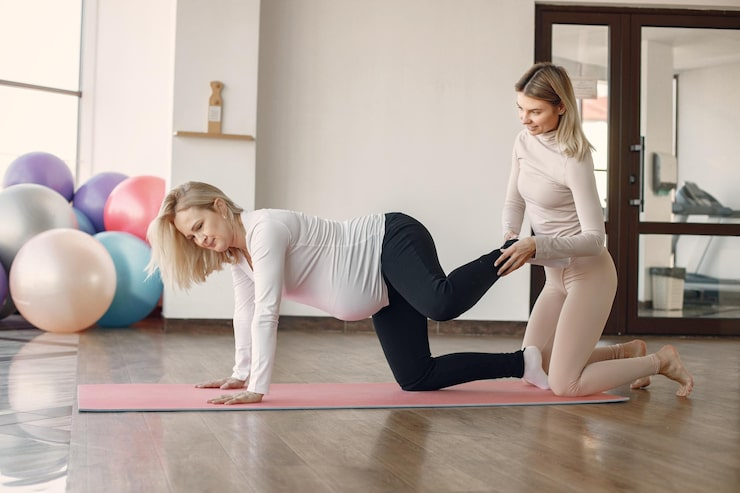
A pelvic floor PT can guide you on:
• Safe strength training modifications
• Core exercises that protect the abdominal wall
• Preventing excessive strain on the pelvic floor
• When to scale back impact activities
• How to continue workouts without worsening symptoms
If you’re noticing pressure, leaking, or worsening pain with exercise — that’s a sign your body needs support, not rest alone.
It’s Not “Too Early” to See a Pelvic PT
You don’t have to wait until pain becomes severe.
Many women benefit from an evaluation:
• In the first trimester to establish baseline strength
• In the second trimester as posture shifts
• In the third trimester for labor prep and mobility
Even one or two sessions can make a significant difference.
Supporting You Through Every Trimester
Pregnancy asks a lot of your body.
You deserve support, guidance, and reassurance along the way.
Pelvic floor physical therapy during pregnancy can help you:
• Move with less pain
• Feel more stable and confident
• Stay active safely
• Prepare intentionally for birth
• Set yourself up for smoother postpartum recovery
You are not meant to just endure pregnancy discomfort.
You are meant to feel strong while growing life.