

If you’ve ever been told you’re “double-jointed” or unusually flexible, you might fall somewhere on the hypermobility spectrum. For some people, hypermobility is simply a benign trait. For others, it can be part of a more complex connective tissue condition such as Ehlers-Danlos syndrome (EDS).
At our clinic, Dr. Steve Fort and his team specialize in helping individuals with hypermobility and EDS reduce pain, improve stability, and regain confidence in their movement. With advanced training in manual therapy, physical therapy, and dry needling, we consistently see outstanding results—even in patients who have struggled for years without answers.
What Is Hypermobility?
Hypermobility refers to joints that move beyond the typical range of motion. While this can seem like an advantage in gymnastics or dance, excessive mobility often comes at the cost of joint stability. Common symptoms include:- Frequent joint sprains or subluxations
- Chronic muscle tightness
- Persistent neck, back, or pelvic pain
- Fatigue from constant muscular compensation
- Poor proprioception (joint position awareness)
- Predisposed to joint locking/dysfunction (stuck joint in the neck, locked pelvis, rib out)
What Is Ehlers-Danlos Syndrome (EDS)?
Ehlers-Danlos Syndrome is a group of inherited connective tissue disorders affecting collagen, the body’s structural support protein. The most common form seen in outpatient orthopedic settings is hypermobile EDS (hEDS). Individuals with EDS may experience:- Widespread joint instability
- Chronic pain
- Soft, stretchy skin
- Easy bruising
- Autonomic symptoms such as dizziness (often associated with POTS)
- Delayed healing
- Predisposed to joint locking/dysfunction (stuck joint in the neck, locked pelvis, rib out)
Why Traditional Approaches Often Fall Short
Many hypermobile patients are told to “just strengthen more” or are given generic exercise programs. Unfortunately, aggressive strengthening without proper stabilization strategy can increase pain and flare symptoms. The key is precision:- Motor control before load
- Stability before mobility
- Tissue tolerance before intensity
The Role of Physical Therapy
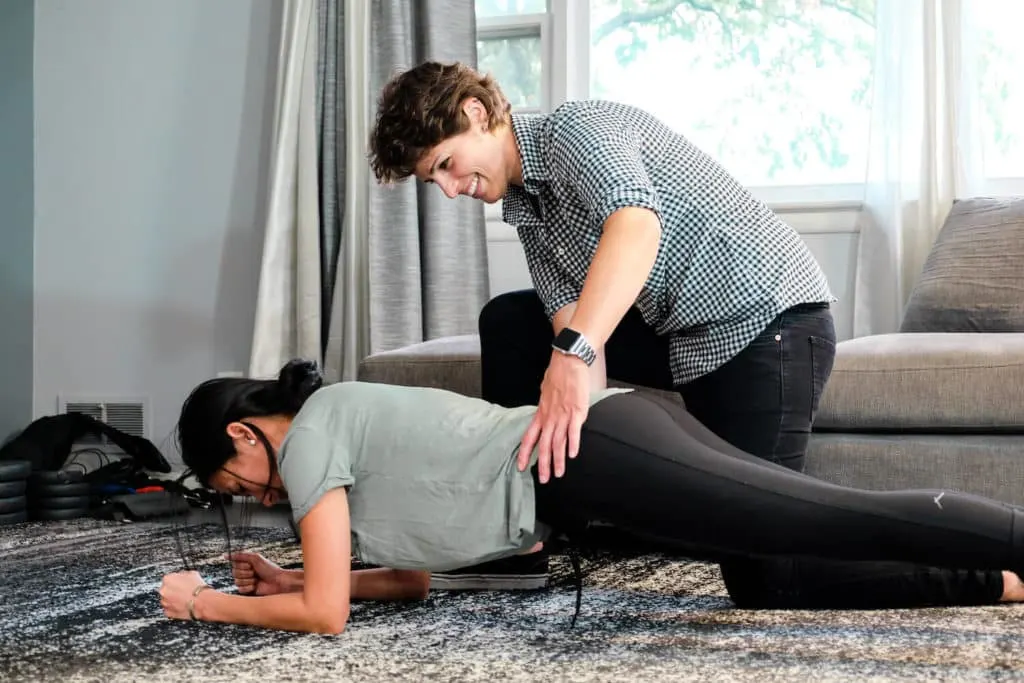
At our clinic, treatment begins with a comprehensive assessment of joint control, movement patterns, breathing mechanics, and tissue irritability.Targeted Stabilization Training
We focus on:- Deep core activation
- Scapular and hip stability
- Proprioceptive retraining
- Controlled strengthening within safe ranges
Nervous System Regulation
Many individuals with EDS have heightened nervous system sensitivity. We incorporate graded exposure, breathwork, and pacing strategies to calm pain pathways and improve resilience.The Power of Manual Therapy
Manual therapy for hypermobility requires advanced training and precision. Done incorrectly, it can worsen instability. Done correctly, it can significantly reduce pain and improve function. Our approach includes:- Gentle joint approximation techniques
- Soft tissue mobilization for chronically overactive muscles
- Myofascial release to improve tissue glide
- Neuromuscular re-education techniques
- Joint manipulations to help joints that have become locked and need to be “released” or “reset”.
Dry Needling for Hypermobility & EDS
Many individuals with hypermobility develop persistent trigger points due to constant muscular guarding. This is where dry needling can be incredibly effective.Benefits of Dry Needling:
- Reduces chronic muscle tightness
- Improves blood flow to irritated tissues
- Decreases protective muscle spasms
- Helps reset dysfunctional motor patterns
Real Results Matter
Patients often come to us after years of frustration—multiple providers, inconclusive imaging, and limited progress. With a structured, individualized plan combining:- Expert manual therapy
- Targeted stabilization training
- Strategic dry needling
- Nervous system-informed care
- Fewer flare-ups
- Improved joint control
- Increased strength and endurance
- Reduced daily pain
- Greater confidence in movement